
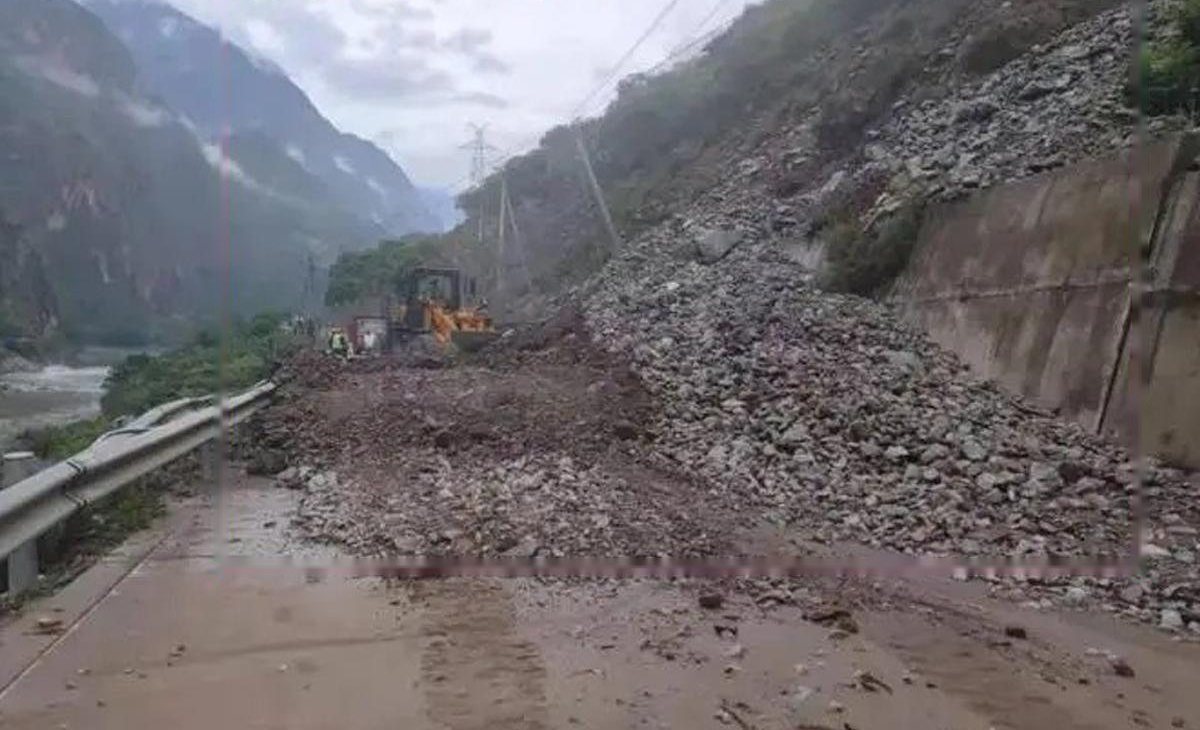
Landslide
Slope failure onto the road or track.
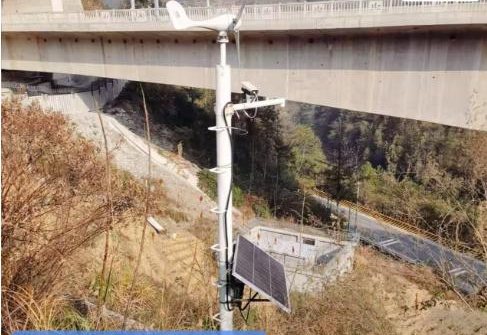
An AI computer vision camera that recognises slope, road and bridge hazards on the device, day and night, in under a second.
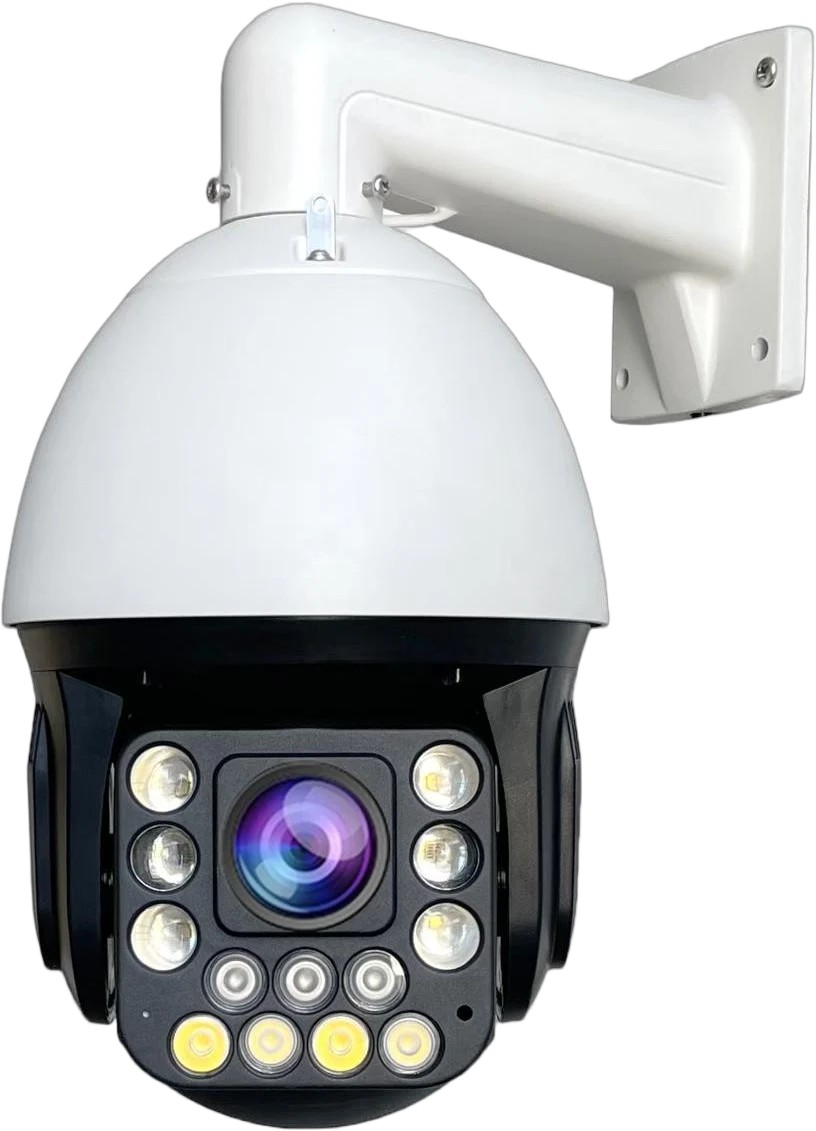
Landslides, rockfall, debris flow and ground subsidence, plus structural failure such as bridge collapse.
Slope failure onto the road or track.
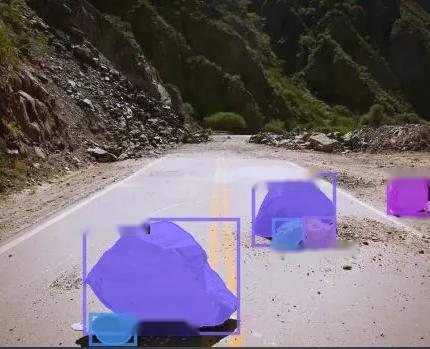
Individual rocks found and outlined.
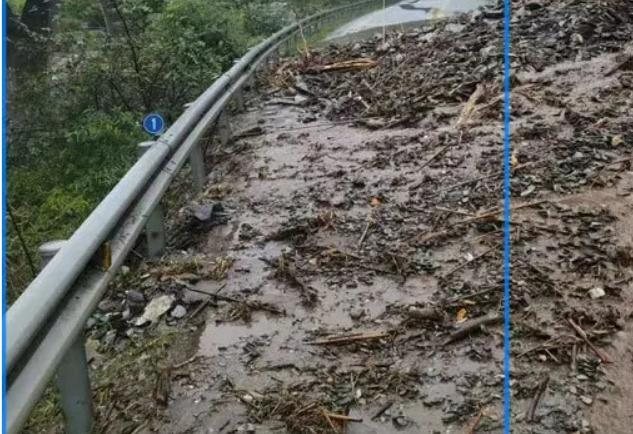
Moving mud and debris, including early signs.
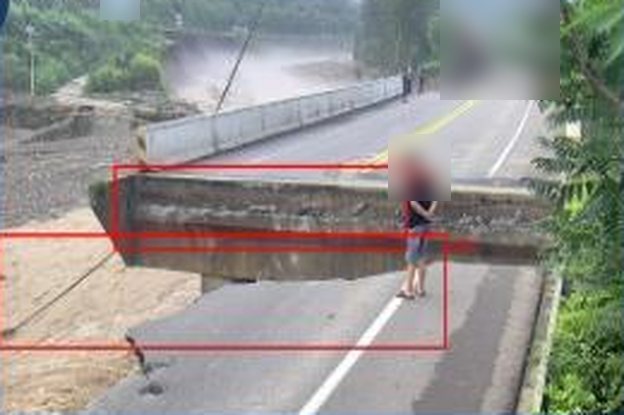
Structural failure and abnormal movement.
Mountain roads and bridges are costly to walk and hard to cover often.
Missed events can exceed 30% with single sensors, which also react to wind, light and vehicles.
Cloud analysis over weak mountain networks can delay a warning by more than five minutes.
The AI runs on the camera, so a warning does not depend on the network.
Takes in about four times more light.
Nearly 50% more light than a standard sensor.
Vanadium oxide focal plane with fine detail.
High compute at low power on the camera.
Trained on images and text together.
Night boost, stabilisation and defog.
Filters static false alarms.
Stronger signal in remote places.
Concurrent connections on a single server.
Video latency, as low as. Manage cameras and alerts, and see alert photos and live video from anywhere.
Drag each picture to compare the raw frame with the AI enhanced frame.
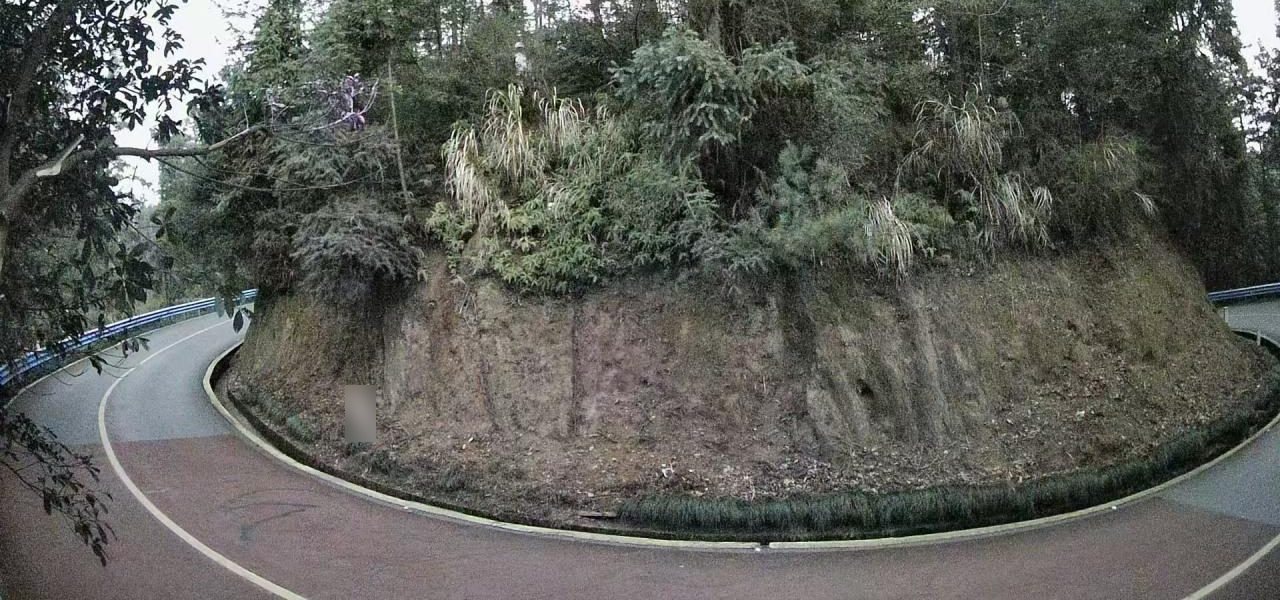
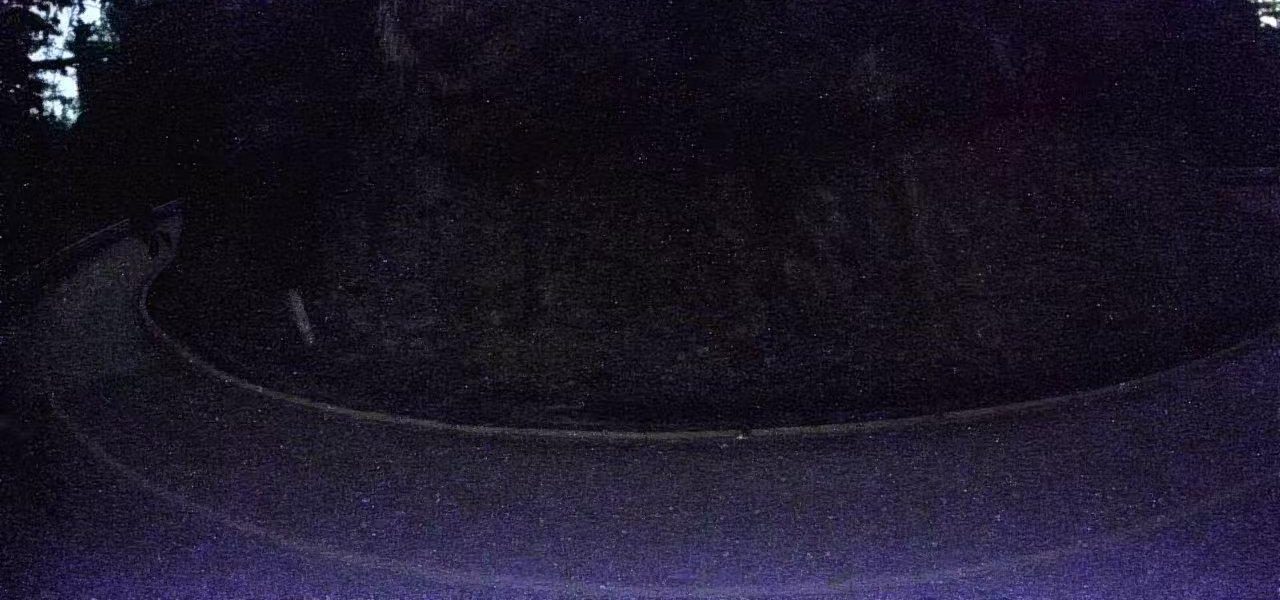
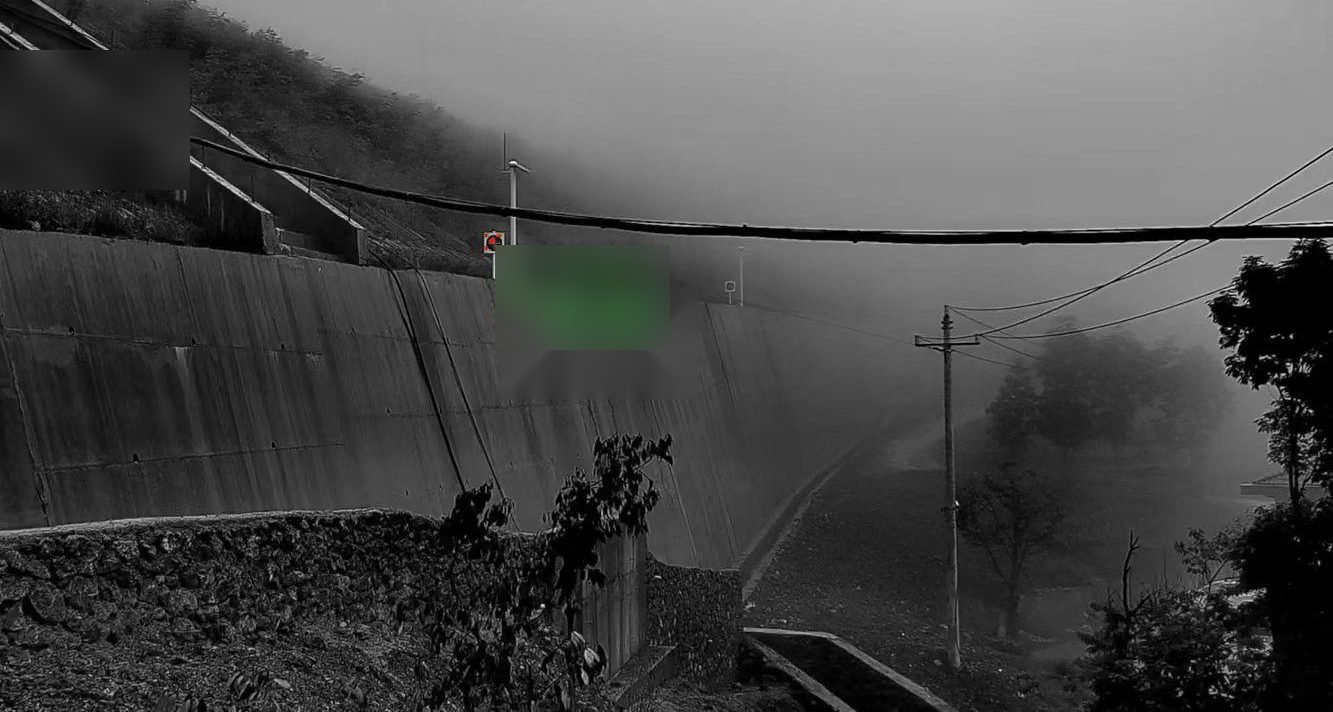
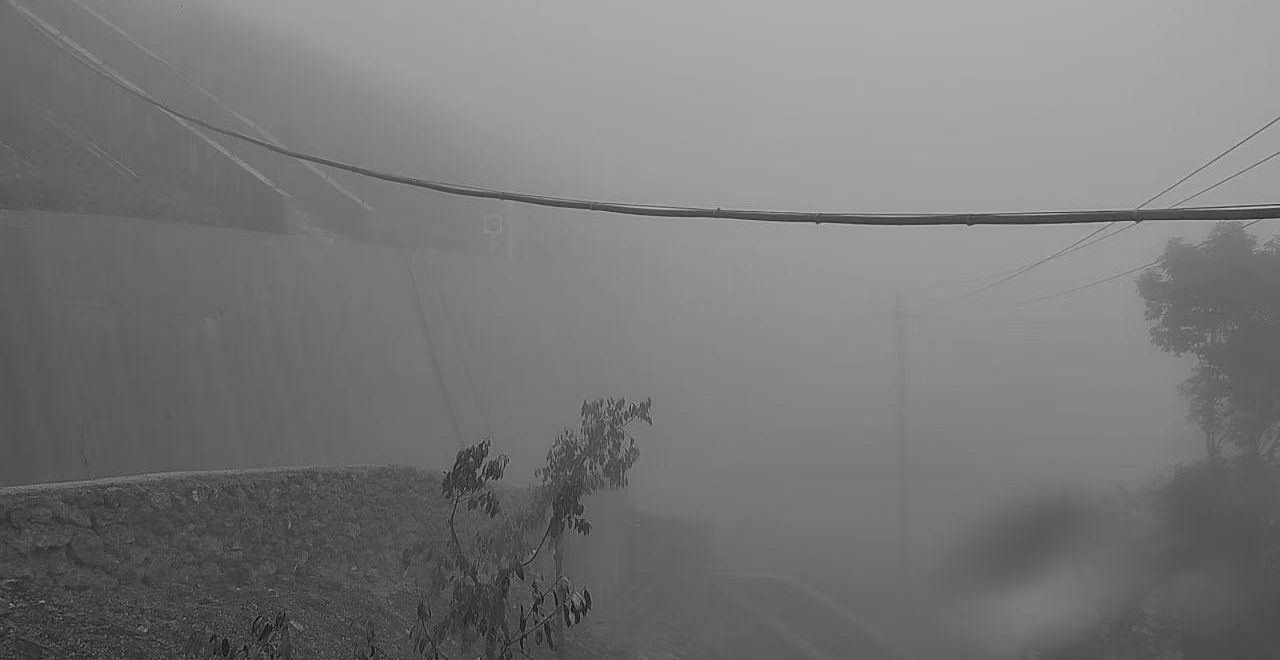
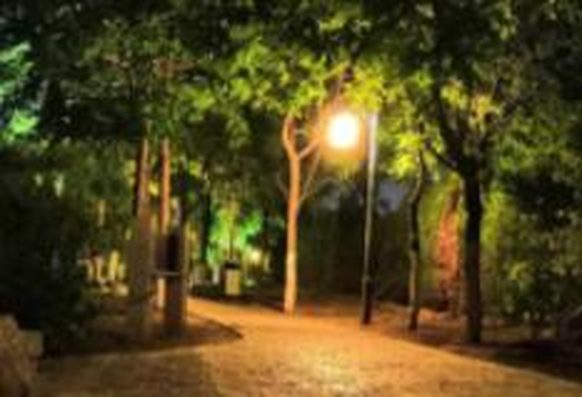
Hazard footage is rare, so the model learns from far less data and tunes in one step on a small set of site samples. Figures are the manufacturer's stated comparison with a CNN approach, with under 1% accuracy loss after quantisation.
Training Data Needed
Development Time
Accuracy in New Scenes
Compute Cost
| Compare | Multimodal AI Camera | Single-Mode AI Camera |
|---|---|---|
| Data | Image, infrared, audio and mmWave fused, such as visible light with thermal | Visible light only |
| Conditions | Handles low light and occlusion | Noise at night, overexposure |
| Accuracy | Features cross-check each other | Fooled by similar objects and angles |
| Decisions | Evidence from several sources | Vision only, no context |
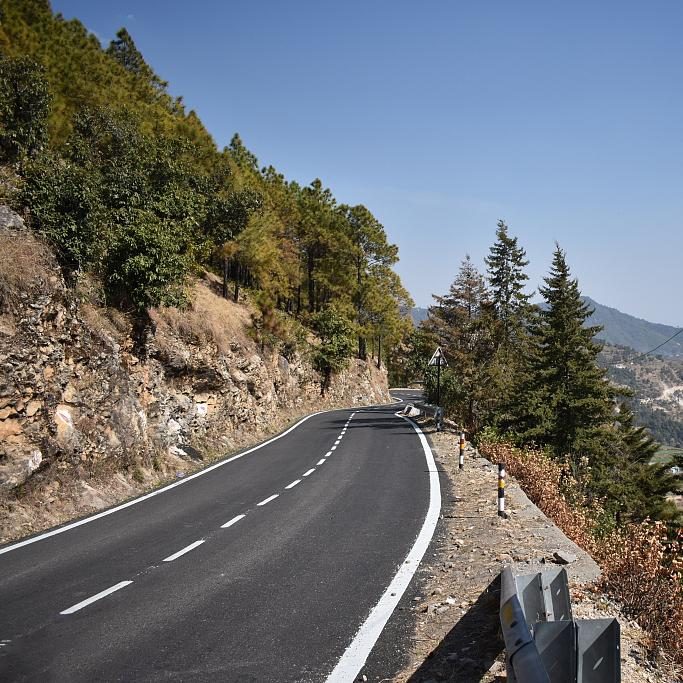
Watches for debris flow and rockfall beside the carriageway.
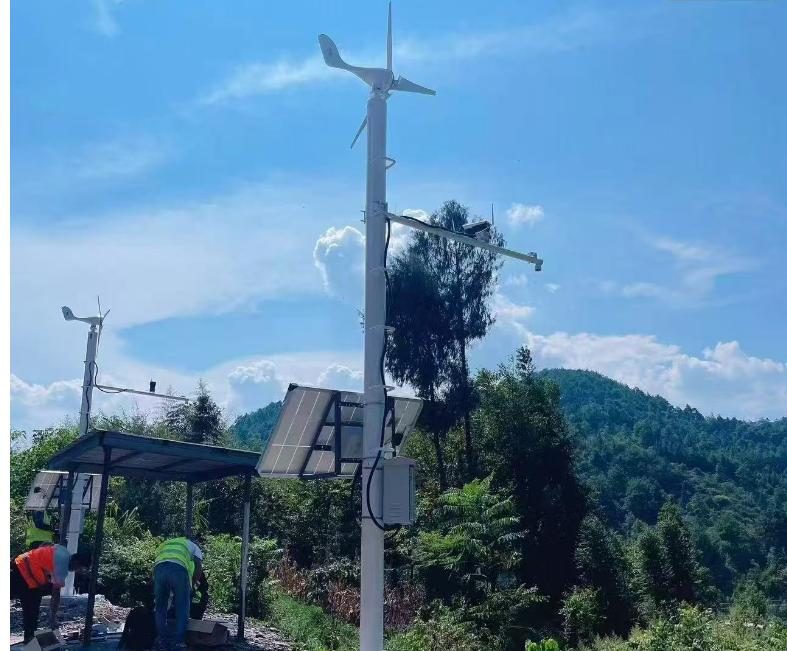
Early warning reduces injuries and property loss on the line.
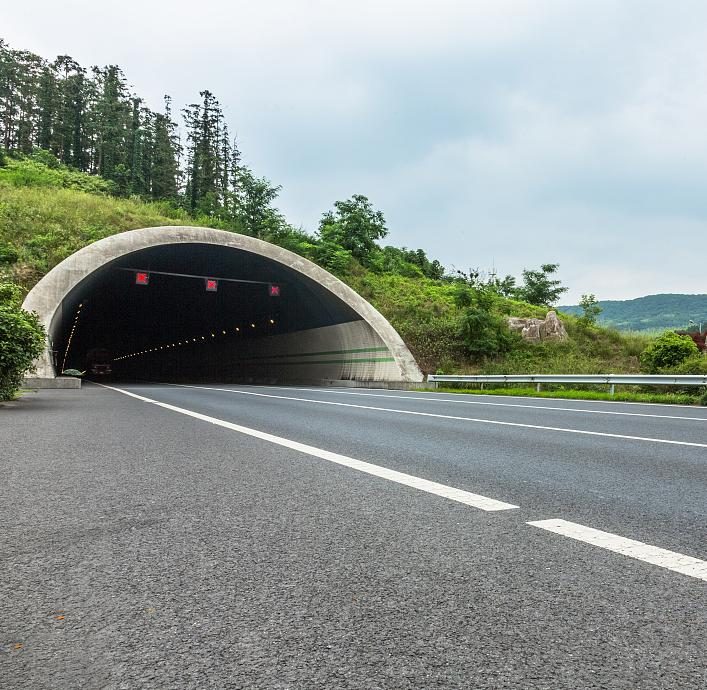
Finds slope risk above portals before it reaches traffic.
Spots abnormal movement from load, weather or ageing.
Example alerts from the camera manufacturer's field use, not VYROX projects. Site details are withheld, and times run from the first alert.
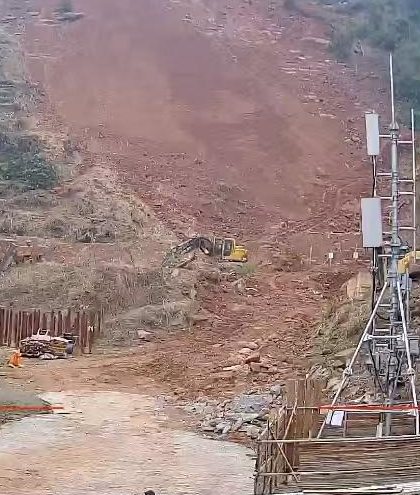
The camera flagged the failed hillside, logged the event as debris flow, and held the alert open until an operator cleared it.
First AlertRoad Collapse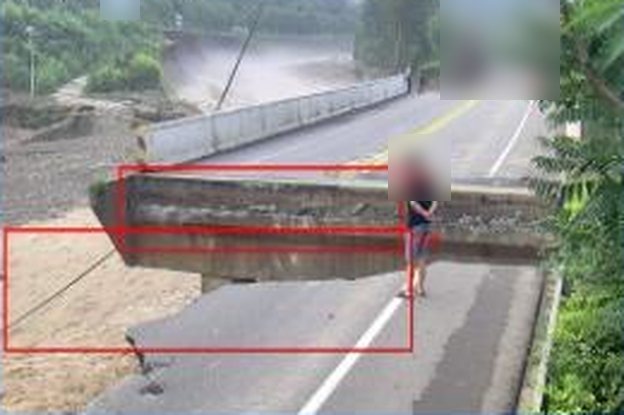 +10 SecondsRoad Collapse
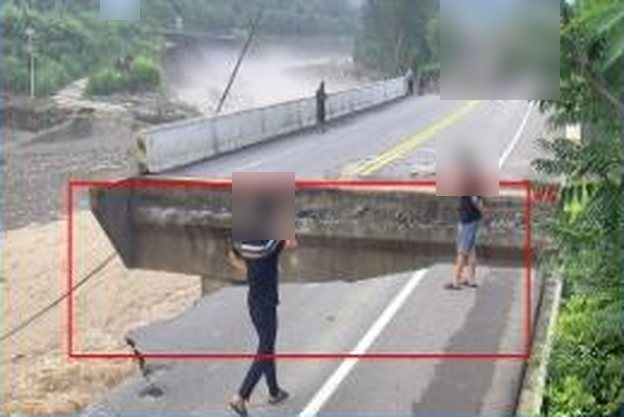 +45 SecondsAbnormal
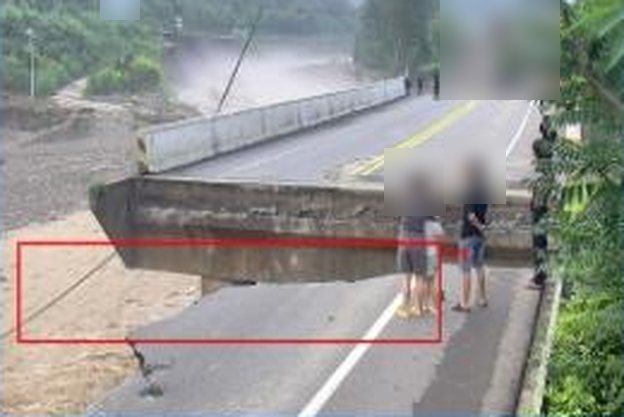 +1 Min 47 SecAbnormal
Alert after alert kept the failed span flagged, each with a photo.
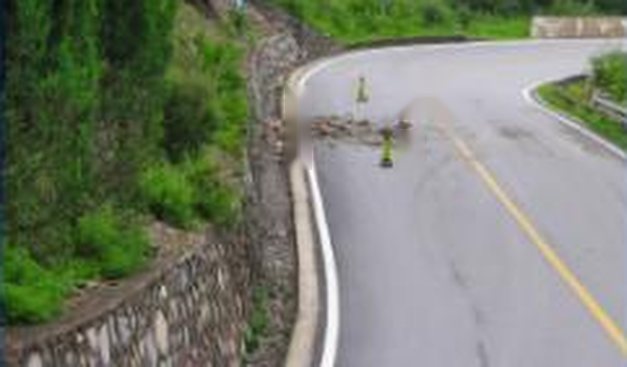
Four steady alerts in 40 seconds, each with a photo, confirmed that debris and rock were blocking the road.
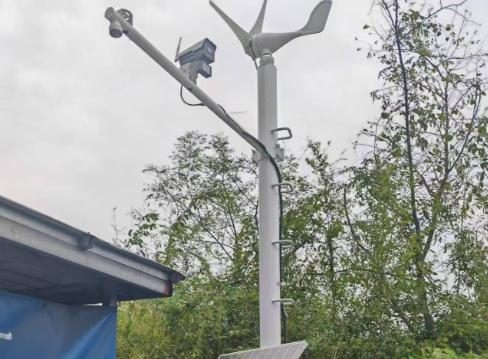
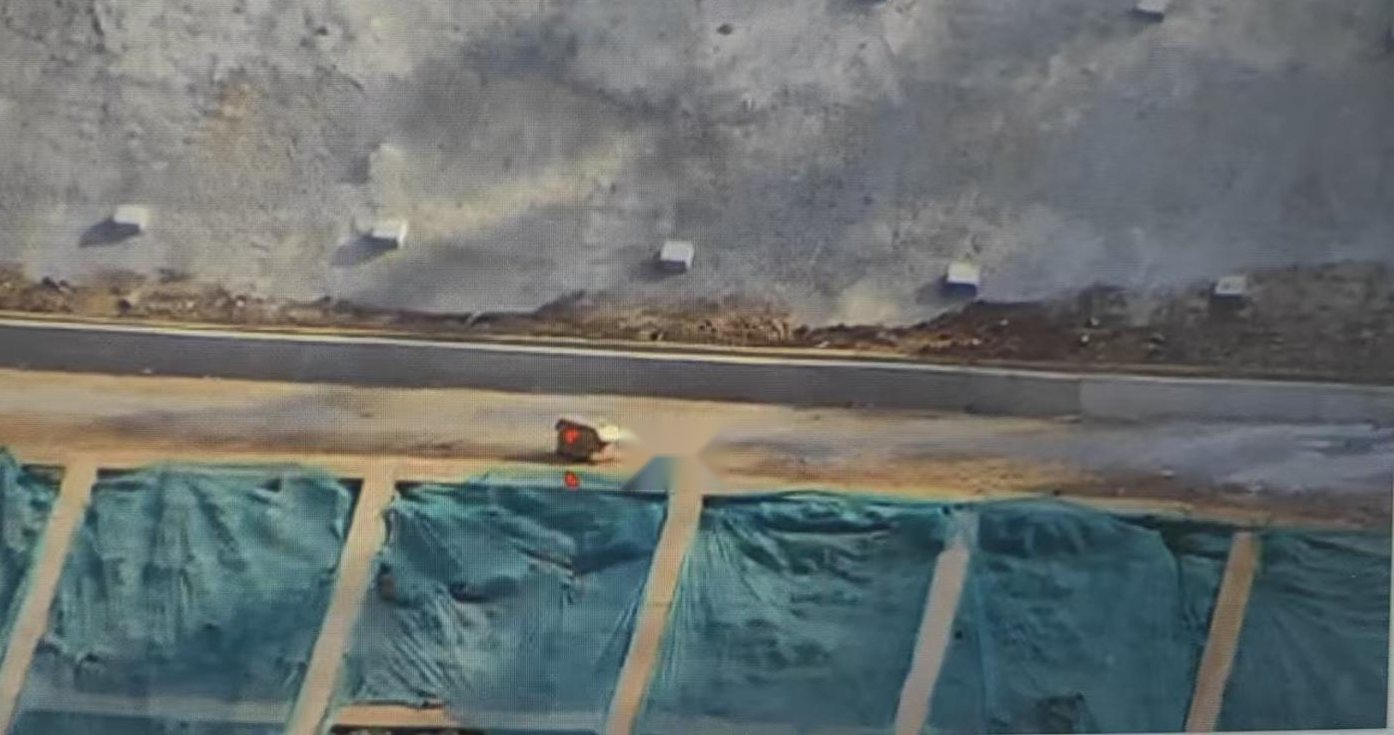
From the manufacturer's product data. The standard algorithms cover landslide, rockfall and debris flow; bridge collapse appears in field examples. This is a safety aid, not a guarantee: misses and false alarms can happen.
Recognition Response
Maximum Monitoring Range
Recognition Accuracy
Full-Colour Night Vision
It is an outdoor camera with an AI chip inside that recognises landslides, rockfall, debris flow and bridge collapse and raises an alert without sending video to a server first.
Yes. Recognition runs on the camera and a wired local warning sign works with no network. 4G is used to send alerts and video to the cloud platform and app.
Yes. Night enhancement, defog, rain removal and stabilisation clean the picture, and it sees in full colour down to 0.0001 lux.
Recognition response is under one second, compared with delays of minutes when analysis depends on the cloud.
No. It is a safety aid, not a guarantee. Misses and false alarms can happen, so it supports inspection and safety procedures and never replaces them.
AI Vision Bots is available at selected sites. Send a short clip from your site and one sentence on the problem, and the VYROX AI team will tell you what a Detection could do there.